
Custom Mobile App Development for Android, iOS & Cross-Platform
Custom mobile app development for Android, iOS and cross-platform businesses, built for how your business actually operates — with card and gateway payments, multilanguage interfaces and offline-tolerant sync. One senior developer, 13+ years, available after launch.
Mobile apps your customers actually keep
Android and iOS apps with offline capability, push notifications and clean API backends — built to launch on the stores and stay maintained.
Mobile App Development Platforms & Architecture
Whether you need native performance or fast cross-platform delivery, we select the technology stack that fits your operational needs and long-term budget.
Android App Development
Native Android apps engineered with Kotlin and Java for high performance, hardware access (GPS, Bluetooth, RFID, camera), background sync, and broad device compatibility across smartphones, tablets, and handheld enterprise devices.
iOS App Development
Native iOS applications built with Swift for Apple iPhone and iPad devices, offering smooth animations, strict Apple Human Interface Guidelines compliance, secure Keychain data storage, and seamless Apple Pay integration.
Flutter & React Native Apps
Cross-platform mobile app development utilizing Flutter (Dart) or React Native to deliver native-grade iOS and Android apps from a unified codebase—reducing time-to-market and maintenance overhead by up to 40%.
Progressive Web Apps (PWA)
Fast, lightweight web-based applications that run in mobile browsers while mimicking native behavior—supporting desktop installation, offline caching via Service Workers, and zero store distribution friction.
Mobile App Architecture & User Experience Engineering
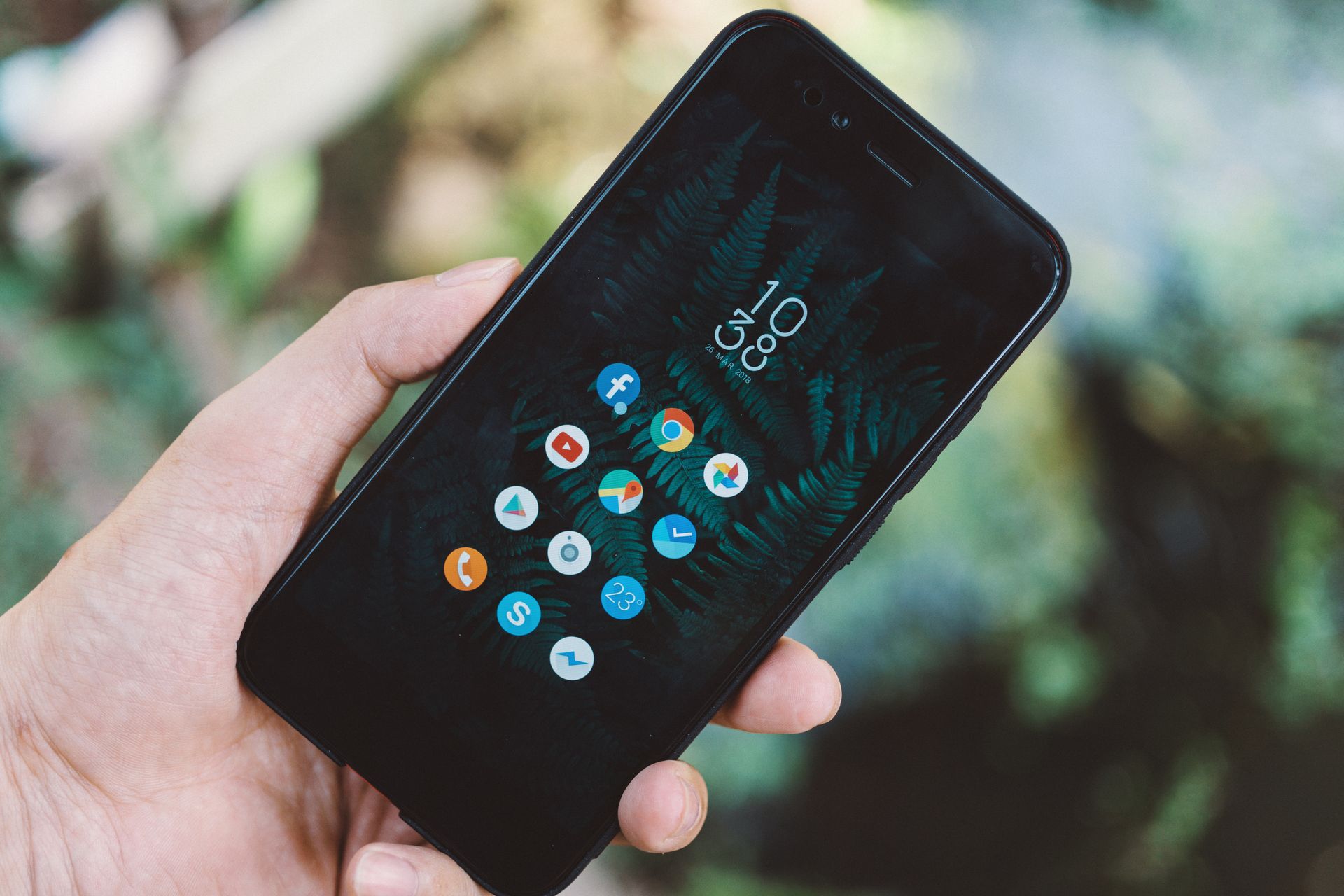
A closer look at how native iOS/Android components, backend API endpoints, and clean UI interfaces combine to deliver exceptional app performance.

Native vs. Cross-Platform vs. PWA: Which Approach Fits Your Project?
Understanding technology trade-offs is key to planning successful mobile app development.
| Criteria | Native (Kotlin / Swift) | Cross-Platform (Flutter / React Native) | Progressive Web App (PWA) |
|---|---|---|---|
| Performance | Maximum / Hardware-optimized | Near-native (60 FPS rendering) | Web-level / Lightweight |
| Code Reusability | Separate iOS & Android codebases | 80% – 95% single codebase share | 100% web & mobile share |
| App Store Publishing | Google Play & Apple App Store required | Google Play & Apple App Store required | Instant Web URL / Direct install |
| Hardware / Camera Access | Full direct access | High (via native bridges/plugins) | Limited web API access |
| Ideal Use Cases | Heavy graphics, IoT, complex background tasks | Business apps, retail, field sales, SaaS extensions | Content portals, simple utilities, MVP prototypes |
Essential Technical Features Built into Our Mobile Apps
Modern mobile app development requires backend infrastructure, security, real-time sync, and financial integration.
Payment Gateway Integration
Seamless checkout flows using Stripe, PayPal, SSLCommerz, bKash, Nagad, and in-app purchase APIs with encrypted PCI-compliant payload handling.
Offline Data Sync & Storage
SQLite, Realm, and local storage architecture allowing workers to enter records offline, automatically resolving conflict queues when connection recovers.
Push Notifications & Messaging
Real-time targeted user notifications via Firebase Cloud Messaging (FCM) and OneSignal for promotional alerts, order updates, and workflow triggers.
GPS Location & Live Tracking
Geofencing, real-time driver/field-agent location updates, routing maps via Google Maps API, and timestamped location verification.
Biometric Auth & Data Security
Fingerprint authentication, Face ID login, JWT API token refresh security, and end-to-end data encryption for enterprise compliance.
Backend REST & GraphQL APIs
Robust backend architecture powered by Laravel or Node.js to power app functions, manage user accounts, and interface with external custom software systems.
Our End-to-End Mobile App Development Lifecycle
From initial wireframing to store approval and post-launch maintenance, every phase is execution-focused.
Industry Use Cases for Custom Mobile Apps
Practical mobile applications built to streamline workflows, increase retention, and handle high transaction volumes.
Delivery & Logistics Apps
Driver task queue apps, real-time customer package tracking, signature capture, and backend synchronization integrated with logistics management platforms.
eCommerce Mobile Apps
Native-feeling shopping applications synchronized with eCommerce stores, featured product push alerts, saved payment profiles, and automated order updates.
Field Service & Inspection Apps
Offline job worksheets, photo attachment with geotagging, technician time-tracking, and instant digital signature submission.
Fintech & Wallet Apps
Account balances, micro-loan ledger tracking, agent transaction dashboards, SMS receipt generation, and two-factor PIN verification.
Mobile App Technology & Backend Frameworks
Choosing battle-tested frameworks for speed, security, and enterprise maintainability.
Android Kotlin
Native Android framework for maximum system access and raw hardware performance.
iOS Swift
Modern iOS development language ensuring high memory efficiency and UI fluidness.

React Native & Flutter
Top cross-platform engines providing fast hot-reloading and unified logic distribution.

Laravel API Engine
RESTful database orchestration, push alert dispatch, role-based access, and system security built on custom software backends.
What Influences the Cost of Mobile App Development?
Clear criteria that determine project timeline and development budget.
1. Platform Scope
Building exclusively for Android or iOS is faster than targeting both, though cross-platform tools like Flutter optimize dual-platform budgets significantly.
2. Backend Complexity
Apps requiring user authentication, database architecture, real-time messaging, and multi-tier access rights require dedicated API development.
3. Integrations & Payment
Adding payment gateways (Stripe, bKash, SSLCommerz), SMS triggers, background GPS tracking, or hardware pairing adds integration depth.
4. Offline Sync Requirements
Local SQLite storage engines with conflict resolution mechanisms demand specialized data syncing architecture.
Frequently Asked Questions About Mobile App Development
How much does mobile app development cost?
Mobile app development costs depend on target platforms (iOS, Android, or cross-platform), backend API complexity, and third-party integrations. Every project receives a detailed written functional specification and fixed project price quote before coding starts—preventing unexpected expenses. Learn more on our pricing details page.
Should I choose Native (iOS/Android) or Cross-Platform (Flutter/React Native)?
For most commercial, e-commerce, field operations, and business workflow apps, cross-platform frameworks like Flutter or React Native offer identical performance with a single codebase—saving up to 40% in cost. Native development (Swift/Kotlin) is recommended for apps requiring intensive 3D rendering, complex hardware interaction, or deep background processing.
How long does it take to develop and launch a mobile app?
A focused MVP mobile app typically takes 4 to 8 weeks from design to store publication. Enterprise systems featuring offline sync engines, custom ERP integrations, or complex multi-role workflows generally take 8 to 14 weeks. Timelines are defined in writing prior to project kickoff.
Do you assist with Google Play Store and Apple App Store publishing?
Yes. We handle developer account setup guidance, app bundle building, screenshots, metadata preparation, privacy disclosures, and Apple Human Interface / Google Play policy compliance to ensure smooth approval.
How do offline sync features work in mobile applications?
Apps built with offline capabilities store user data locally in encrypted device databases (such as SQLite or Hive) when network connectivity is lost. As soon as the device reconnects to Wi-Fi or cellular networks, background sync queues push updates to the primary backend database automatically.
What long-term support and maintenance options are available after launch?
Every app build includes initial post-launch monitoring and bug fixing. We also offer dedicated ongoing website maintenance and app support packages for OS version compatibility updates, security patches, and feature additions.
Ready to build your mobile app?
Tell me what your app needs to do and I will show you the right platform, timeline and cost — before you commit.